jueves, 26 de abril de 2012

DAKAR 2013

Lima will be the starting point for DAKAR RALLY 2013.


For the next edition of 2013, it is first time since the rally began through South America in 2009, that the desert comes into play from the beginning stages. As never before, all the drivers and teams will be able to see the wonderful Peruvian landscape, highlighted by the President of the Dakar Rally, Etienne Lavigne during the presentation of the 35th Dakar Rally and 5th in our continent.

This edition has Lima as a starting point, ends in Santiago and goes through Argentinean territory.

These are the stages in Peru:
January 5: Lima-Pisco
January 6: Pisco Pisco
January 7: Pisco-Nasca
January 8: Nasca-Arequipa

ACHUMA

Beyond expectations.

This week, took place performances of Achuma at Wayra. An audience of different nationalities exceeded their expectations with this show.
The starry sky and the comfort of Wayra are a first-class stage for contemporary circus that is offered to travelers in the Sacred Valley of the Incas.
Achuma stages the story of the initiation of a shaman of pre-Columbian cultures of Peru. Five characters develop the story in about 40 minutes with theater and circus techniques, achieving a level like performance of the most important and cosmopolitan audiences in the world.
Achuma’s performances will take place at night every Wednesday, Thursday, Friday and Saturday, exclusively at Wayra upon reservation.

MANU NATIONAL PARK

Manu National Park, located in southeastern Peru, is one of the largest parks in South America. The area of the park encompasses parts of the Andean department of Cusco and the jungle department of Madre de Dios. Manu protects over 2 million hectares (4.5 million acres) of territory rich in flora and fauna species in a variety of habitats including high Andes, cloud forests, and lowland tropical rain forests.


Guarantees departures - May 23rd and May 26th

Program 4 days / 3 nights (at Cultural Zone - Manu National Park)
Take note, to visit Manu you should reach Cusco at least one day before the tour begins and one day more after the tour ends; because the program is starting at 5am and ending at 10pm from and to Cusco.

The departure and return to Manu is by bus. The road is unpaved and difficult. Lodges are rustic. Rooms share bathrooms and are distributed one next to each other. There are free optional activities such as canopy and river rafting. The first day begins picking up passengers at their hotels.

ITINERARY CULTURAL ZONE

DAY 01: We leave Cusco early in the morning in one of our vehicles. Approximately midmorning
We visit the interesting tombs of Ninamarca, commonly known as “Chullpas”. We continue to Paucartambo, a picturesque Spanish colonial town, and then to the Acjanacu pass, which marks the beginning of the Cultural Zone of Manu Biosphere Reserve. Here, a thick cloak of clouds provides perpetual humidity and makes an ideal habitat for epiphytic plants such as bromeliads. This varied and fascinating world is home of the Cock of the Rock, Spectacled Bear, Orchids, Tree Ferns (one of the oldest living plants), mosses and lichens. This cloud forest exists between 2,000 and 3,500 m.a.s.l. and at least 50% of the plant species found here are endemic to this region. Overnight at Lodge “Orquídeas de San Pedro”.


Day 02: Today we wake up very early to observe the Cock of the Rock (Rupicola peruviana), Peru’s national bird from a platform. The male birds are a vibrant reddish orange, and as many as several dozen come together for an exhibition of a mating ritual dance. The males display their crest, showing off and posturing for the females. The females, fewer in number, watch to select the most suitable males.


After breakfast we continue in our vehicle down the narrow road between waterfalls and canyons toward the town of Pilcopata (*1) and then to Atalaya Port. here we board our covered, outboard motor boat and head down the Alto Madre de Dios River for approximately 15 minutes toward our private reserve of “Erika” a comfortable / rustic lodge owned also by Manu Adventures where we will hike through the interesting trail system that this transitional area between high and low jungle offers. Overnight at the lodge.

*1 Free Option: Here in Pilcopata town we will make the final settings for a 1½ hour river rafting (class I and II) trip down the Koshñipata River where we will have the opportunity for a dip and of course enjoy the spectacular view of the Koñeq Canyon.


*2 New!!! Option: We walk through the trail that leads us to the observation platform located 15 feet above the mammal clay lick itself where we wait for the lumbering peccaries to arrive, we observe and photograph them in action. Important: The observation depends on luck on availability and weather conditions.


DAY 03: Erika Lodge is located in a transition zone between high and low jungle (600 m.a.s.l. to 1,150 m.a.s.l), encompassing different habitats. This altitude range explains the high diversity of wildlife found around this lodge, so immediately after breakfast, we will start walking near the riverbanks, during the hike our guide will talk about insects, medicinal plants, trees, reptiles, mammals, etc. This afternoon we board our boat, and after five minutes, we will walk for another 30 minutes approximately though a very nice trail to observe and talk about the interesting flora fond such as sensitive plants, heliconias, fruit plantations, etc. until we arrive to Machuwasi Lake where with the help of a telescope we can observe great egrets, carpenters, Keskadees, cardinals, etc.


Short night walk in order to observe American bullfrogs, horned frogs, tree frogs and an incredible variety of insects.


*3 Free Option: Canopy Zip Down: At Erika Lodge, our guests traverse from tree to tree and platform to platform using pulleys on horizontal traverse cables zip lines), as they sail through the treetops of the tropical rainforest canopy, and over the trails far below. Expert guides assist you in this exciting journey through the different layers of the rain forests and explain what’s going on around you from the time you leave the ground, until you rappel back down to the forest floor.


DAY 04: This day we will get up very early to board our boat again for only five minutes down river to our Parrot clay Lick called “Collpa” on the riverbanks, where many species of parrots such as the blue headed parrot, white-eyed parakeet, feed for mineral and salt supplements to their diet of seeds and fruits. Immediately we continue to Atalaya Port where the bus will drive us back to Cusco city, arriving late in the evening.


Manu National Park is not endemic area about Malaria neither Yellow fever you can bring a good insect repellent but if you decide to put the yellow fever vaccination for prevention you can do it 10 days before start your trip to the jungle.

PRICE PER PERSON BASED IN A DOUBLE ROOM USD 365.00
It doesn't include the airfare Lima/Cusco/Lima


miércoles, 25 de abril de 2012

DAKAR 2013

Lima, será punto de partida del RALLY DAKAR 2013.

Por primera vez; desde que empezara el rally en el continente sudamericano en el 2009; en la próxima edición 2013, el desierto entrará en escena desde las primeras etapas. Como nunca antes, todos los pilotos y equipos tendrán la posibilidad de comprobar el maravilloso paisaje peruano, destacado por el Presidente del Rally Dakar; Etienne Lavigne, durante la presentación de la 35 edición del Rally Dakar y 5ta en nuestro continente.

Esta edición tendrá como punto de partida Lima y terminara el Santiago de Chile, pasando por territorio argentino.

Estos serán los tramos durante su recorrido por Perú

5 de enero: Lima-Pisco
6 de enero: Pisco-Pisco
7 de enero: Pisco-Nasca
8 de enero: Nasca-Arequipa


ACHUMA

Más allá de las expectativas.
Esta semana se realizaron las presentaciones de Achuma. Frente a un publico de diferentes nacionalidades, quienes vieron sus expectativas superadas.
El cielo estrellado y la comodidad de Wayra; en el Valle Sagrado de los Incas; son un escenario de primer nivel para el circo contemporáneo que ofrecemos a los viajeros del mundo.
Achuma escenifica la historia de la iniciación de un Chaman de las culturas precolombinas del Perú. Cinco personajes desarrollan la historia en aproximadamente 40 minuto con técnicas de teatro y circo, logrando un espectáculo propio de los mas importantes y cosmopolitas auditorios del mundo.
Las presentaciones de Achuma serán las noches de todos los Miércoles, Jueves, Viernes y Sábados, exclusivamente en e Wayra, previa reservación.


PARQUE NACIONAL DEL MANU

Ubicado en la región Sur-Oriental del Perú, Abarca una extensión de 2 millones de hectáreas cuadradas de un territorio rico en especies de flora y fauna, con una variedad de hábitat andino, alto andino, tropical y subtropical.


SALIDAS FIJAS 23 de Mayo y 26 de Mayo

Programa 4 días/ 3 noches (zona cultural)
Para visitar Manu se debe llegar al Cusco y estar como mínimo un día antes y un día después del tour ya que estos empiezan el primer día alrededor de las 05:00 AM y el último día están regresando alrededor de las 10:00 PM a Cusco.
La salida y el retorno es en bus, el camino hacia Manu es pedroso, la carretera no es asfaltada. Los albergue son rústicos, las habitaciones están una junto a otra y con baños compartidos. Hay actividades opcionales gratuitas como el canopy y Canotaje.
El primer día empieza con el recojo de los pasajeros en sus hoteles

ITINERARIO ZONA CULTURAL

DIA 1. - Salida de la ciudad del Cusco muy temprano por la mañana en uno de nuestros vehículos. Atravesaremos interesantes valles interandinos y pintorescas comunidades campesinas. A media mañana visitaremos las Tumbas Pre-Incas de Ninamarca, conocidas como “Chullpas” para luego dirigirnos a Paucartambo. Continuando el viaje ascenderemos hasta el abra de Acjanacu (3,850 msnm) desde aquí iniciamos el descenso pasando por el Bosque de Nubes, zona rica en especies endémicas como el Oso de Anteojos y Gallito de las Rocas entre otros. Almuerzo en ruta . Continuación al albergue Orquídeas de San Pedro.
Pernocte.

DIA 2. - Desde una plataforma camuflada, apreciaremos la interesante danza de cortejo del Gallito de las Rocas de un llamativo plumaje de color rojo-naranja muy intenso. Desayuno. Continuación en bus, atravesando la selva alta, arribando al poblado de Pilcopata*, y de alli al puerto de Atalaya situado a orillas del río Alto Madre de Dios. Almuerzo. Observaremos la enorme diversidad de flora y fauna. Arribo a la Reserva Privada “Erika”. Breve caminata por las trochas entre selva alta y selva baja. Pernocte en el albergue.
*1 Opcional gratuito: Desde Pilcopata, recorrido aproximadamente 1:30 hora de canotaje (clases I y II) por los ríos Koshñipata y/o Alto Madre de Dios, pasando Pongo del Koñeq donde pararemos para disfrutar del paisaje y de un baño en sus cristalinas aguas.

DIA 3. – Desayuno. Explicación de la diversidad de vida silvestre de los alrededores. Almuerzo. Cruzaremos el río Alto Madre de Dios y caminaremos por 30 minutos aproximadamente por un sendero interesante para observar la flora, hasta llegar a la laguna de Machuwasi donde instalaremos el telescopio para observar diferentes aves.

* 2 Opcional gratuito - Canopy tour: tendrán la oportunidad de pasar de árbol a árbol y de plataforma a plataforma usando arneses en un cable horizontal con un sistema de carriles con los que deslizan a gran velocidad sobre esta fabulosa selva amazónica. Personal especializado los ayudara y les dará la explicación durante esta experiencia hasta que desciendan en rappel desde 30 metros de altura.

DIA 4.- Muy temprano nos dirigirnos a la Collpa, donde las diferentes especies de loros bajan cada mañana a extraer y lamer trozos de arcilla que contienen los minerales necesarios para su balance dietético. Retornamos al albergue. Desayuno. Bote hacia el Puerto de Atalaya, donde nos espera el bus que nos llevará de retorno a la ciudad de Cusco. Almuerzo en ruta.

Arribo aproximadamente a las 10:00 PM.
El parque Nacional del Manu no es una zona endémica no hay malaria ni fiebre amarilla; pero si necesitan llevar un buen repelente de insecto.
Si usted desea vacunarse contra la fiebre amarilla por prevención lo puede realizar con 10 días de anticipación del inicio del programa.
PRECIO POR PERSONA: En base a Habitación Doble USD365.00
No incluye el boleto aéreo Lima/Cusco/Lima


miércoles, 14 de marzo de 2012

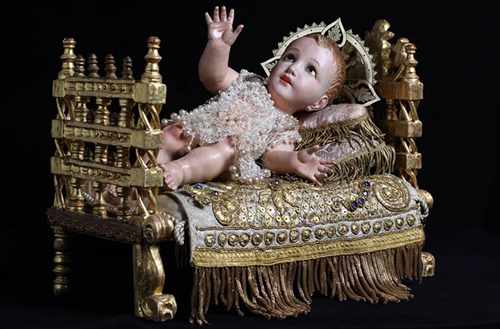
CASA LUNA AND HIS NATIVITIES COLLECTION OF PERU AND THE WORLD

Architect Javier Luna and wife, are the main promoters of this project. A large collection of folk art that is internationally recognized, especially in relation to the subject of the Nativity, over 15,000 pieces demonstrate the kindness of the Peruvian hands and other parts of the world. The Birth of Jesus, the Peruvian Manuelito.

Go in this wonderful world; in which the protagonist is a small child named Jesus (Manuelito), with Mary and Joseph, his parents. The generosity of ecology is represented by the donkey and the cow; the kindness of friends is represented by the shepherds; the music by the song of the angel; magic by the Three Wise Men and astronomy, by the star Bethlehem. The family in the perfect state.

Navities Collection of Peru and the World, is a private collection, located in an old familiar mansion of San Isidro, in Lima to visit any time of the year. Really impressive.

HELICUSCO RESUME THEIR SERVICE CUSCO / MACHU PICCHU

A fascinating experience from the heights

Helicusco begins regular flights by helicopter to Machu Picchu, every Wednesday, initially in the following schedule: Cusco/Machu Picchu departing at 07:40 hrs and Machu Picchu / Cusco departing at 14:45 hrs. Any other day, charter service will be available. You get to Machu Picchu in 30 minutes, departing from Velasco Astete International Airport to the Heliport in Machu Picchu Pueblo. This service do not flies over the citadel of Machu Picchu.

EXPERIENTIAL TOURISM IN THE COMMUNITY OF LUQUINA CHICO

In Chuchito Peninsula on Lake Titicaca, is located the community of Luquina Chico (12,600 f.a.s.l.), an excellent choice to live a day of experiential tourism. Luquina Chico has an extension of 250 square miles, cold wet weather, with an average of 46- 56 °F. Has two well defined seasons, the dry season from April to November and the rainy season from December to March. You can get to Luquina Chico by affirmed road surrounding the Chucuito Peninsula or sailing along Lake Titicaca. From Puno city, the lake crossing takes approximately 30 minutes.
Tourist experience, visitors are greeted with flute and drum music , while the families wear their best clothes for welcoming. Visitors are installed in homes and participate in community tasks. Depending on the preferences of the guest: they can fish, learn how to weave, cut firewood, cooking, playing a football game in almost fourteen thousand feet above sea level or simply participate in the stories of myths, tales and legends. The rooms have a beautiful view of Lake Titicaca. From comfortable beds, clean sheets and private bathrooms with hot water. One of the best moments is when community members invite the traveler to wear their costumes and participate in the dance.

The food is simple, based on local products (traditional cuisine). They will taste the typical local dishes. The families prepare food with products that they grow and harvest in their fields or fishing in the Lake Titicaca. The lunch, dinner and breakfast are served in the dining room of the house, located near the stove where travelers integrated to the family group.

About 25 families have started this project since 2005. Currently there are 20 little houses with private baths and 36 houses with shared bathroom (with family). Have hot water, some with "ecological tank" and other with electricity. The tourist attractions of Luquina Chico are its viewpoint and the pier. They can also enjoy additional services such as boating, sailing and rowing, visit archaeological sites, native dances, music, campfire, fishing, medicinal plant recognition and participation in agricultural activities.

martes, 13 de marzo de 2012

CASA LUNA E SUA COLEÇÃO DE NASCIMENTOS DO PERU E DO MUNDO

O ARQUITETO Javier Luna junto com sua esposa, são os principais promotores deste projeto. Uma grande coleção de arte popular que é reconhecida internacionalmente, especialmente a que se refere ao tema natividade, mais de 15.000 peças demonstram as bondades das mãos peruanas e de outras partes do mundo. A natividade de Jesus, o nascimento do menino Jesus, o Manuelito peruano.
Anime-se e entre neste mundo maravilhoso, no qual o protagonista é o pequeno menino chamado Jesus, com Maria e Jose seus pais. A generosidade da ecologia representada pelo burrinho e pela vaca, a bondade dos amigos representada pelos pastores, a musica o cantos dos anjos, a magia pelos reis magos e a astronomia pela estrela de Belém. A família em estado perfeito.
Nascimentos do Peru e do mundo, é uma coleção privada, localizado num antigo casarão familiar San Isidrino, em Lima, para visita-la a qualquer época do ano, é realmente impressionante.

HELICUSCO REINICIA SEU SERVIÇO CUSCO / MACHU PICCHU

Uma experiência fascinante nas alturas

Helicusco inicia voos regulares em helicóptero a Machu Picchu, todas as Quartas, inicialmente no seguinte horário: Cusco / Machu Picchu saída as 07h40 y Machu Picchu / Cusco saída as 14h45. Em qualquer outro dia, estará disponível serviço de charter. Machu Picchu em 30 minutos partindo do Aeroporto Velasco Astete ate o heliporto em Machu Pichu povoado. Este serviço não está voando sobre a cidadela de Machu Picchu.

TURISMO VIVENCIAL NA COMUNIDADE DE LUQUINA CHICO

Na península de Chuchito as margens do lago Titicaca, se encontra a comunidade Luquina Chico (3812m.s.n.m) é uma excelente opção para viver uma jornada de turismo vivencial. Luquina Chico tem uma extensão de 450 Km2, de clima frio e úmido com uma media anual de 8 a 12°C, tem épocas bem marcadas, a seca de Abril a novembro e a chuvosa de dezembro a março. É possível chegar a Luguina Chico pela estrada que rodeia a península de Chucuito ou navegar pelo lago Titicaca a partir da cidade de Puno, o cruzeiro no lago leva cerca de 30 minutos.
Experiência turística; os visitantes são recebidos com música enquanto as famílias vestem suas melhores roupas para dar as boas vindas, os visitantes são instalados nas vivendas e participam das tarefas comunitárias. Dependendo das preferencias do convidado podem pescar, aprender a tecer, cortar lenha, cozinhar, jogar partida de futebol a quase 4.000 mil metros de altitude ou simplesmente participar das narrações de mitos, lendas e historias, os quartos tem uma linda vista para o lago Titicaca. Com camas confortáveis, lençóis limpos e banheiro privativo com agua quente.

O melhor momento é quando os visitantes são convidados a vestir os trajes típicos e participar das danças. A comida é simples e é a base de produtos da região (gastronomia típica) desfrutaram de pratos típicos. As famílias preparam os alimentos com produtos que cultivam e colhem em suas terras o que pescam no lago Titicaca. As refeições são servidos na cozinha da casa, localizado sempre perto do fogão onde os visitantes integram ao grupo familiar.

Aproximadamente 25 famílias iniciaram este projeto desde 2005. Atualmente há 20 casas com banheiros privativos, 36 casas com banheiro compartido (com a família). Tem agua quente, algumas com tanque ecológico e outras com eletricidade. Os atrativos turísticos de Luquina Chico são o mirador e o cais, além de disfrutar dos serviços adicionais como passeio no barco a vela e remo, visita a restos arqueológicos, danças nativas, musica, fogueira, pesca artesanal, reconhecimento de plantas medicinais e participação em atividades agropecuárias.


CASA LUNA Y SU COLECCIÓN DE NACIMIENTOS DEL PERÚ Y DEL MUNDO

El Arquitecto Javier Luna junto a su esposa, son los principales promotores de este proyecto. Una gran colección de arte popular que es reconocida internacionalmente; especialmente la que se refiere al tema de la Natividad, mas de 15,000 piezas demuestran las bondades de las manos peruanas y de otras partes del mundo. La natividad de Jesús, el nacimiento del Niño Jesús, el Manuelito peruano.
Anímese y entre a este maravilloso mundo; en el que El Protagonista es un pequeño Niño llamado Jesús, con María y José sus padres. La generosidad de la ecología está representada por el burro y la vaca y la bondad de los amigos; representada por los pastores, la música; por el canto de los ángeles, la magia; por los reyes magos y la astronomía; por la estrella de Belén. La familia en el estado perfecto
Nacimientos del Perú y del Mundo, es una colección privada, ubicado en una antigua casona familiar San Isidrina; en Lima, para visitarla cualquier época del año, es realmente impresionante.